Our point of difference is that we are deeply clinical in our approach,” she says. “This is not a wellness add-on or a one-off initiative. We deliver structured, evidence-based care that meets people where they are. ”
Deep Sleep Health Is Scaling a New Model for Sleep Care
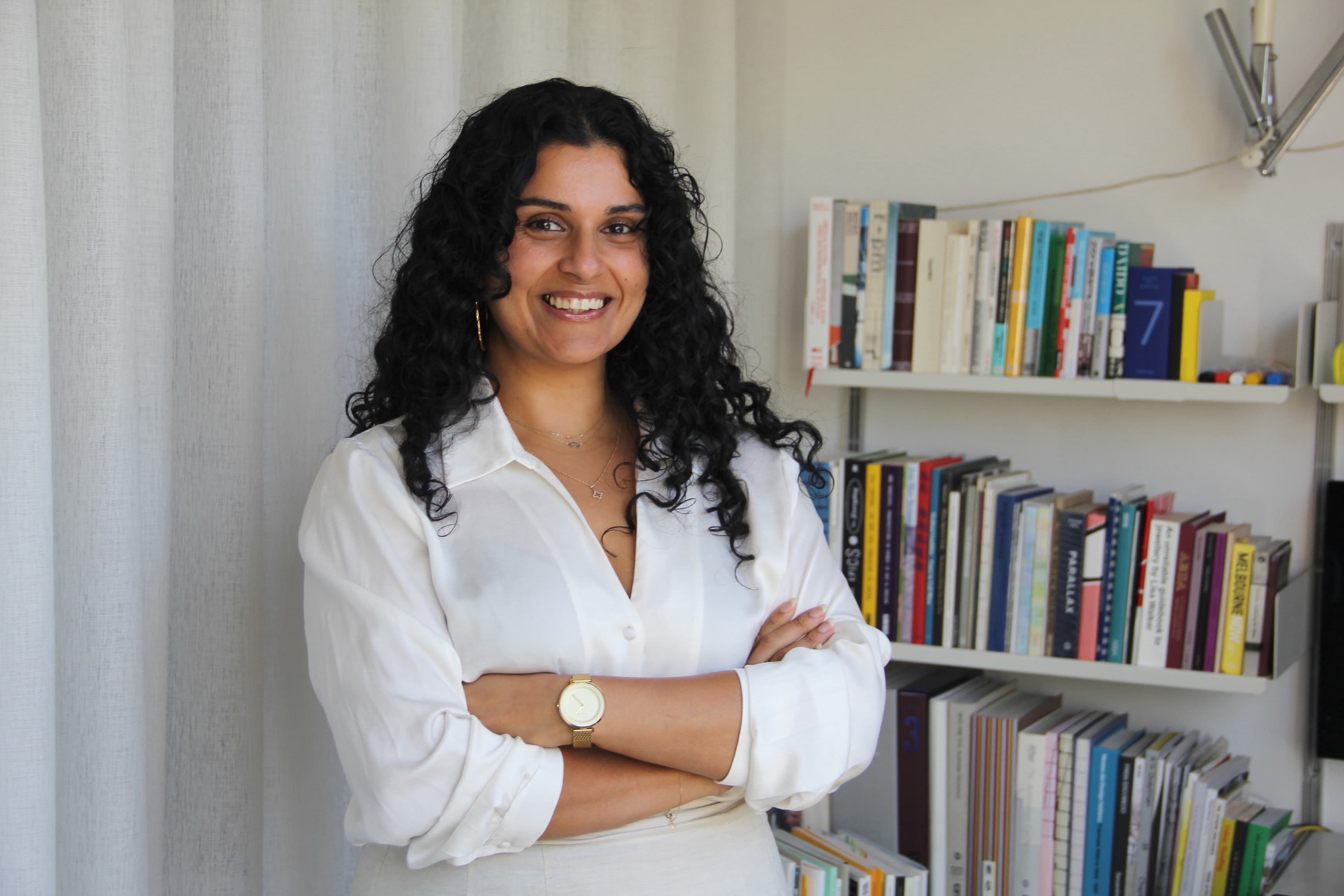
Clinical psychologist and researcher Dr Sumedha Verma has made it her mission to help people achieve a restful night’s sleep.
“Even before studying psychology, I learnt about the incredible capacity of the mind and body, well before I started teaching at universities,” Sumedha says.
With a tenacious discipline, she went on to specialise in sleep and insomnia, undertaking her PhD at Monash University. She led the world’s first clinical trial of insomnia interventions for postpartum parents, co-designed a digital sleep program for carers and people with dementia, and trained aged care professionals in sleep management. From there, it became clear that sleep was an issue that impacted people from all walks of life.
A Widespread but Overlooked Health Issue
“We live in a culture that pushes sleep to the bottom of the list,” Sumedha says.
“Two in three people experience sleep problems, but only a very small proportion receive evidence-based treatment. There is a significant gap between need and access.”
"When we are not supporting sleep, we are not supporting health," she added. “It’s a public health priority that affects us all.”
“Sleep health sits at the centre of our physical and mental wellbeing, but the system is rarely equipped to address it properly.”
Motivated by this gap, Sumedha founded Deep Sleep Health to bring the best clinically proven digital treatments into a format that works in people’s everyday lives.
Bridging the Gap Between Clinical Care and Everyday Life
Deep Sleep Health delivers a stepped care model that combines gold-standard clinical consultations with self-guided digital sleep and circadian programs. Patients work with a clinician to understand their sleep challenges before completing structured modules at home that reinforce long-term behavioural change.
These include the Better Sleep Program – a self-paced digital CBT-I program – alongside professional development training for clinicians and tailored workplace programs mitigating fatigue, burnout and psychosocial risk.
The model is tailored to three audiences: individuals seeking accessible, evidence-based sleep support; organisations responding to psychosocial risk and fatigue obligations; and clinicians wanting to better identify and manage sleep difficulties in everyday practice.
The healthcare industry has taken a quick interest in the training, with collaborations already underway with clinicians at Bendigo Health, Grampians Health and several primary care practices. Sumedha has also trained postgraduate psychology students at Swinburne University and Cairnmillar Institute, and supported elite athletes such as players from the Cronulla Sharks.
In its first year, the startup delivered more than 270 sleep treatment consultations to Australian patients, with consultation revenue growing more than 18-fold in 12 months.
These partnerships have the power to improve how sleep is assessed and treated across the healthcare system, workplaces and community.
The impact of this approach for people can be life changing. Sumedha recalls one executive client from a sports organisation who had lived with chronic insomnia for 15 years.
We unpacked what was driving his insomnia and addressed the root cause,” she says. “Through a structured clinical approach, we worked on reframing his beliefs about sleep, enhancing his body clock, and rebuilding his sense of trust with sleep. ”
“Within six weeks, he no longer met the criteria for insomnia disorder. He had more energy, was more present in both work and family life and even found space to re-engage with hobbies again.”
Backing Herself With the Support of Victoria’s Startup Ecosystem
As she builds the company, Sumedha continues to leverage education and support to navigate the transition into entrepreneurship. Office Hours with Innovation Victoria was a key part in building her skillset.
She has also completed the Australian Clinical Entrepreneur Program, a pre-accelerator program funded by Innovation Victoria, AUScelerate (formerly MTPConnect) and the Australian Society of Medical Entrepreneurship and Innovation, to strengthen her ability in translating research into real-world impact.
“It’s been incredibly valuable to cross-collaborate with change-makers in the ecosystem,” Sumedha says. “Innovation can often feel like it has a lot of barriers, so it’s important to have supporters that celebrate what you’re trying to achieve.”
It is still early days, but Deep Sleep Health is seeing strong demand from consumers, clinicians and sleep physicians across both public and private systems.
Sleep sits at the intersection of health, performance and workplace safety — and the evidence base for addressing it has never been stronger. ”
“We are now partnering with organisations to roll out sleep health and fatigue programs at scale, particularly as workplaces respond to new legislative requirements around psychosocial risk,” she says.
“The need is clear, and we are focused on meeting it in a way that is evidence-based, accessible and impactful.”